Recognitions

Turnover is climbing again- and it's expensive
After several years of improvement, nurse turnover increased again in 2025, putting renewed pressure on healthcare organizations to retain experienced staff. The financial impact extends well beyond recruiting, affecting patient care, staffing stability, and hospital budgets.
According to the NSI 2026 National Health Care Retention & RN Staffing Report, the national RN turnover rate reached 17.6% in 2025. The average hospital loses approximately $5.19 million annually to nurse turnover, with each bedside RN departure costing an estimated $60,090.
The greatest retention risk comes early. First-year RN turnover reached 22.7%, and nurses with less than one year of service account for 29% of all departures. That makes the onboarding experience—and helping new hires feel recognized and supported—critical from day one.

Burnout has eased from its peak — but still drives exits
Burnout has eased from its pandemic peak, but it remains one of the biggest challenges facing healthcare organizations. Ongoing emotional demands, staffing shortages, and heavy workloads continue to push many nurses toward leaving the profession.
The 2026 Nurse Salary and Work-Life Report found that 53% of nurses experienced burnout over the past two years. Looking ahead, the NCSBN 2024 National Nursing Workforce Study reports that more than 40% of nurses intend to leave or retire within the next five years.
At the same time, the NCSBN 2026 Environmental Scan projects the U.S. will face a shortage of more than 250,000 registered nurses later this decade, making retention more important than ever.

What drives caregivers out isn’t only pay — feeling unseen matters too
Compensation and workload remain important factors in nurse retention, but they are only part of the equation. Many caregivers also leave because they don't feel supported, listened to, or appreciated by their organization.
According to the 2026 Nurse Salary and Work-Life Report, 48% of nurses cite unresponsive leadership as a driver of burnout, while 41% say they don't feel heard. These concerns rank alongside pay, staffing ratios, and workload as leading reasons employees disengage.
Some specialties face even greater challenges. The NSI 2026 National Health Care Retention & RN Staffing Report found that behavioral health teams experience the highest turnover rate at 22.5%.
Recognition cannot solve staffing shortages or compensation concerns on its own, but it directly addresses the feeling of being overlooked. Consistent, meaningful appreciation helps caregivers feel valued, strengthening engagement and supporting long-term retention.

The Reality of Burnout in ManufacturingHard work drives this industry: long shifts, quick problem-solving, and relentless follow-through. But there is a fine line between dedication and burnout. When once-reliable employees disengage, call out more often, or quietly job hunt, it takes a toll on productivity, retention, and morale. Addressing burnout isn’t just good for employees—it is essential for long-term success. |
|
 |
|
|
|
Balancing Expansion and Retention: The Future of Hiring in ManufacturingTurnover and retirement rates have been steadily increasing, with 66% of manufacturers reporting that filling open positions now takes longer. The challenge of recruiting skilled workers has put additional pressure on companies, forcing them to refine hiring strategies and invest in employee retention efforts. |
Consequences of a poor manufacturing work cultureA lack of creativity and innovation leaves employees disengaged, hindering both personal growth and company progress. In manufacturing, poor culture often drives workers to seek more fulfilling roles elsewhere. This revolving door effect reduces productivity and increases training costs. While there’s momentum to improve culture, real change requires a fundamental shift in mindset—one that takes time, commitment, and a break from outdated norms. |
|
 |
How Rewardian Helps Healthcare Teams

Recognition built for healthcare excellence
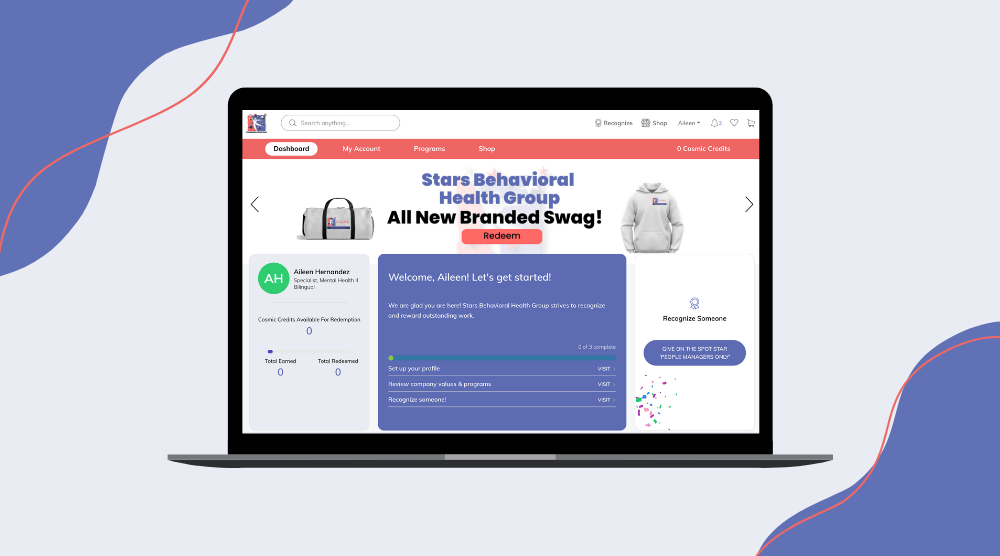
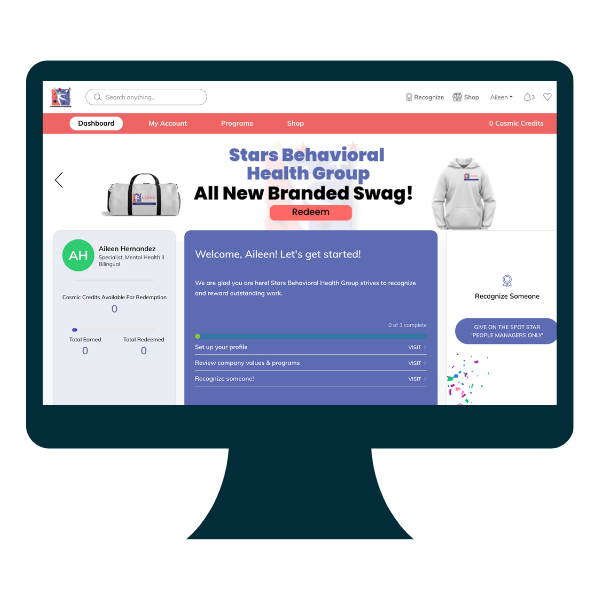
Rewardian’s recognition and milestones tools celebrate the work that defines great care — patient outcomes, teamwork, and leadership — through peer-to-peer and manager-to-employee recognition. And Rewardian’s gamification engine (the Bingo-style challenges that helped drive Stars Behavioral Health to 100% participation) gives staff a reason to take part across shifts and units.

A rewards catalog that supports wellbeing
Rewardian’s catalog spans 500K+ rewards and 10M+ options — merchandise, gift cards, and no-minimum branded swag — with travel, experiences (Switchfly), and concierge available on higher program tiers, so caregivers can choose rewards that feel meaningful.

Analytics that inform retention
Rewardian’s real-time analytics and custom KPI dashboards track recognition and engagement by unit and role — a useful input to retention strategy, not a standalone fix — which matters when first-year turnover runs above 22%.

Flexible integration and secure infastructure
Rewardian connects to existing systems through its REST-based open API (as it did for Caring Senior Services) and is SOC 2 Type II certified, PCI certified, and GDPR compliant with single sign-on (SSO) and secure multi-tenant infrastructure.

Further Reading